

Energía que ValeENERGÍA
QUE VALE
Listen now ↗
THE PODCAST WITH VALE ALDAMUY · IDEAS FOR YOUR BUSINESS

The energy is
in the people.

Ideas and tools to help your business sell better, your team move forward, and technology take work off your plate.

Real conversations about sales, leadership, and building a better business. Listen, find an idea, and put it into practice.

PEOPLE · PROCESSES · PRACTICAL AI
WELCOME TO ENERGÍA QUE VALE

Grab a coffee.
Let's talk about what matters.

Difficult decisions. Starting over. Learning to sell while earning people's trust. We started with conversations about energy; the lessons reach far beyond one industry.

THE PODCAST · SEASON 1

One conversation.
A new perspective.

Meet the people behind the experience. Choose a topic—sales, leadership, service, or technology—and take one idea back to your business.

From a conversation to a useful idea. From an idea to your next step. Read Vale’s monologues ↗

14 conversations available

THE CONVERSATION CONTINUES

We are preparing season two. Follow the channel for upcoming releases.

Visit the YouTube channel ↗
WITH VALE ALDAMUY · IDEAS TO PUT INTO PRACTICE

Take a moment.
Take an idea with you.

My reflections on sales, teams, and artificial intelligence. Complete readings with one concrete action for your next week.

The two AI readings are new web adaptations of topics we worked on in October 2026. The sales monologue is a new original piece. This section contains written readings; audio and video will be added when available.

A SPACE FOR PEOPLE IN THE FIELD

By salespeople, for salespeople

For you, who makes the call, shows up for the appointment, and tries again. Your work deserves to be heard. Your experience can also teach someone else something valuable.

Find a place to start ↗
01

Listen before you explain.

Understanding the customer's concern changes the conversation. Trust begins when people feel heard.

02

Know what you are selling.

Learning helps you explain clearly, recognize your limits, and keep your promises.

03

Follow-up needs an owner.

A good appointment needs a next step. A clear agreement also respects the customer's time.

BY SALESPEOPLE, FOR SALESPEOPLE · THE WORKSHOP

Less memorizing.
More understanding.

Choose a situation, practice aloud, and listen to your partner's response. These phrases are starting points; the customer guides the conversation.

“It's a lot of money, and I don't want to make a mistake.”

Educational examples for home services. Adapt them to the facts and each person's circumstances.

A WAY TO OPEN THE CONVERSATION

I understand. What would you need to understand better to decide whether this project is worth that investment for you?

What to listen for

Distinguish between available budget, total cost, and concerns about the result. Don't assume which concern it is.

A useful next step

Review the information that addresses that concern. If they ask for budget options, compare the full scope, conditions, and commitments.

Practice with a partner ↗

The customer adds: “I'm worried no one will respond afterward.” Summarize what you heard and ask permission to review the service responsibilities.

Afterward, review three things: which concern you understood, what evidence is missing, and whether the next step was voluntary. Repeat, changing just one question.

READINGS THAT INFORM OUR PRACTICE

Vale's Library brings together lessons from Jeremy Miner, Chris Voss, Jeb Blount, and Alex Hormozi. We apply them through our own experience in sales and home services. This page's texts, examples, and exercises are our own adaptations; they are not official courses or endorsements by those authors.

FROM THE EPISODE TO YOUR NEXT APPOINTMENT

What do you want to work on today?

Learning paths that start with a concrete question.

THE ENERGÍA QUE VALE BLOG

We discussed it.
Now, apply it.

All 14 complete readings, in their own space. Sales, leadership, service, and artificial intelligence.

Explore the blog →
Learn to serve better.Connect to grow together.Share what matters.

Vale Aldamuy hosting Energía que ValeMEET THE HOST
ValeAldamuy.
Salesperson. Educator.
Always a student.
KNOWLEDGE HAS BEEN MY ADVANTAGE

The person first.
Then, the conversation.

I'm Fidencio “Vale” Aldamuy. My career has taken me through mortgage banking, energy, and sales team development. At every stage I've learned the same lesson: to help someone make a good decision, first you need to understand them.

Energía que Vale is a way to share that learning. Achievements interest me, of course. But I'm even more interested in where people come from, what they've overcome, and what we can learn together.

“My advantage has always been knowledge. To this day, it is knowledge.”Vale Aldamuy · Biographical interview

From Puerto Rico and Florida, connecting conversations with Latin America.

Work with Vale ↗
THE COMMUNITY ALSO MEETS IN PERSON

Relationships grow
through presence.

The podcast keeps the conversation open. Green Drinks gatherings create space to meet people, share experiences, and keep learning.

Meet Green Drinks Orlando ↗
YOUR EXPERIENCE CAN CONTRIBUTE

What conversation
are we missing?

A question from the field. A story worth hearing. An idea for collaboration. You help build this space too.

FROM THE MONOLOGUE TO YOUR PRACTICE

What stayed with you?

Tell us what caught your attention and what you intend to put into practice. Vale reads every reflection, and the best questions become future episodes and monologues.

THE BLOG · IDEAS THAT BECOME ACTION

We discussed it.
Now, apply it.

Sales, service, leadership, and AI for service businesses. Full articles connected to the podcast conversations.

14 articles to explore

← Back to the blog
ENERGÍA QUE VALE · EPISODE 4

How to Use AI to Generate Leads for a Service Business

Episode thumbnail 4: Aaron Myers

Turn real customer questions into useful content and practical tools. A focused approach to AI lead generation for home-service business owners.

Your next customer may already be searching for an answer your team explains every day.

What will this project cost over time? What changes the price? What should I compare before signing?

In Episode 4 of Energía que Vale, we explored using AI to build useful online resources around questions customers actually ask. One example was a calculator to help someone understand the long-term cost of a solar lease.

For a business owner, the opportunity starts with identifying a question that matters to a buying decision.

Start with a question from an actual conversation

Ask your team which questions come up before a customer agrees to an appointment. Choose one that is specific enough to answer well.

A roofing customer may want to understand what changes a replacement estimate. An HVAC customer may want a checklist for comparing proposals. A solar customer may want to understand how a payment increase changes a contract’s cost.

These examples are editorial applications of the episode’s central idea: create something useful at the moment a customer needs clarity.

Build the smallest useful resource

You could begin with a comparison worksheet, an explanation, or a simple calculator. AI can help prepare the draft or code, but your business remains responsible for accuracy.

A calculator deserves particular care. Label assumptions, show the time period, distinguish estimates from commitments, and have a qualified person check the calculations. A convincing interface does not prove the numbers are correct.

Your first version should answer one question clearly.

Give the visitor a meaningful next step

After helping someone understand their options, offer an appropriate next step: request a site visit, ask a question, or discuss their specific situation.

Explain what happens when they submit their information. Collect only what you need and make sure someone owns the response.

A useful resource can create interest. A dependable follow-up process turns that interest into a conversation.

Measure more than visits

Publishing a page does not guarantee visibility in search results. Relevance, accuracy, accessibility, and the quality of the experience still matter.

Track whether visitors use the resource, whether inquiries fit your service, and whether those inquiries become qualified appointments. Avoid treating every form submission as a successful lead.

This week, review ten recent sales conversations and identify one question you repeatedly answer. Build a resource around it, check it carefully, and connect it to a clear response process.

The best starting point for AI lead generation may already be sitting in your customers’ questions.

Watch Episode 4: Watch the full episode ↗

Inspired by Episode 4 of Energía que Vale. The practical frameworks and examples are the author's editorial applications, not direct quotations or measured results from the episode.

← Back to the blog
ENERGÍA QUE VALE · EPISODE 2

How to Build Customer Trust in High-Ticket Sales

Episode thumbnail 2: José Alicea

Build trust in high-ticket sales by aligning promises, operations, and follow-up. Practical lessons for owners of home-service businesses.

A customer can sign a contract and still be unsure whether your company will deliver.

That uncertainty matters when the purchase involves a roof, a solar installation, or a major home improvement. The customer is trusting your team with money, time, and part of their home.

In Episode 2 of Energía que Vale, our conversation returned to transparency and keeping the promises made during a sale. For a business owner, this makes trust an operating responsibility.

Find out what your team is promising

Ask salespeople what customers hear about timing, installation, support, and expected results.

Then ask operations the same questions.

Any difference deserves attention. A salesperson may describe a target date as a commitment. A customer may hear “we handle everything” and assume responsibilities that your team never intended to accept.

Write down the promises that need clearer language. Give the team an approved explanation and a person to consult when a situation falls outside it.

Make the handoff part of the sale

The moment after a signature should have an owner.

Who confirms the documents? Who explains the next step? Who tells the customer when something changes?

Consider a simple handoff note: what the customer is buying, what matters most to them, what was promised, what remains conditional, and what happens next.

This is an editorial recommendation drawn from the episode’s emphasis on making the sales promise real.

Reward behavior that survives delivery

If your team celebrates signed contracts but never discusses cancellations or delivery problems, people receive an incomplete picture of success.

Review what happens after the sale. Ask whether the customer understood the offer and whether operations received complete information.

One difficult project does not automatically indicate a sales problem. Look for patterns before drawing conclusions.

The purpose is to improve how the team sells and delivers.

Repair a mismatch early

When the experience differs from what a customer expected, identify the specific gap. Acknowledge it, explain what you know, and give a realistic next update.

Avoid adding a new promise simply to calm the conversation. That can create a second disappointment.

This week, choose five recent projects and compare the original sales explanation with what the customer received. Ask both teams where the handoff worked and where it became unclear.

Trust becomes easier to maintain when the promises your business makes are visible, understood, and supported by the people who deliver them.

Watch Episode 2: Watch the full episode ↗

Inspired by Episode 2 of Energía que Vale. The practical frameworks and examples are the author's editorial applications, not direct quotations or measured results from the episode.

← Back to the blog
ENERGÍA QUE VALE · EPISODE 1

How to Compete on Service Without Sacrificing Your Margins

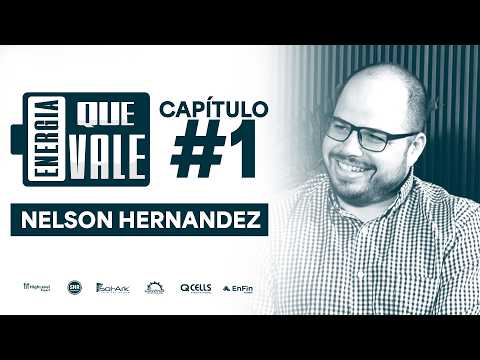
Episode thumbnail 1: Nelson Hernández

Learn how service businesses can defend value, explain support, and review pricing without losing sight of the cost of delivering their promises.

A lower price can help win a project. It can also leave your business with too little room to deliver the service you sold.

In Episode 1 of Energía que Vale, we discussed customer confidence, competition, and the importance of supporting a project after installation. The lesson for business owners is practical: your offer has to support the full customer experience.

Understand the service included in your price

Before discounting, list what your company is expected to do.

The work may include site assessment, scheduling, installation, documentation, customer updates, and support after completion. Some responsibilities may belong to a manufacturer or another provider; make those distinctions clear.

If your estimate covers the visible installation but overlooks the work around it, your team may be selling an experience your budget cannot support.

Review a handful of completed jobs. Where did extra labor or repeat visits appear? What did customers expect that your proposal did not explain?

Make your service specific

“We have great service” gives a customer little to compare.

Explain who handles questions, how changes are communicated, what the next stages are, and where the customer goes after completion. Only describe processes you can actually provide.

A clear explanation helps customers evaluate more than the number at the bottom of a proposal.

Give salespeople a better value conversation

A customer comparing prices may be comparing different scopes.

Train the team to ask what is included in each offer and what matters most to the homeowner. Help them explain differences without attacking a competitor or making claims they cannot verify.

A useful question is: “Would it help to compare the scope, responsibilities, and support side by side?”

That creates space for an informed decision.

Review discounts through delivery

When a discount is approved, record the reason and preserve the agreed scope. Then review whether the project was completed within the expected cost.

This is a suggested management practice, rather than a result measured in the episode. It helps connect a pricing decision with what the company eventually has to do.

Every business sets its own prices independently, based on its costs, responsibilities, and strategy.

This week, examine three discounted projects and three at your standard price. Compare the work required, the customer expectations, and the delivery experience.

You may discover that the most useful pricing conversation begins with understanding the service your business is actually providing.

Watch Episode 1: Watch the full episode ↗

Inspired by Episode 1 of Energía que Vale. The practical frameworks and examples are the author's editorial applications, not direct quotations or measured results from the episode.

← Back to the blog
ENERGÍA QUE VALE · EPISODE 6

How to Build a Sales Team That Can Grow Beyond You

Episode thumbnail 6: Abdiel and Jessica

Develop a sales team through coaching, clear responsibilities, and visible progress. Practical questions for owners who want to grow beyond personal production.

If every new salesperson depends on you for every answer, adding people can increase your workload faster than your capacity.

In Episode 6 of Energía que Vale, Abdiel and Jessica discussed helping others develop, building a team, and the personal meaning behind that work. Their experience raises a useful question for business owners: what does someone need in order to succeed on your team?

Turn your experience into a learning path

Strong personal sales results do not automatically create a repeatable training process.

Identify what a new person needs to learn first: the customer’s problem, the offer, the discovery conversation, the handoff, and the boundaries of their role.

Then decide how you will know they understand it. Hearing a presentation is different from explaining it clearly to a customer.

A short learning path gives both the new hire and the coach a shared view of progress.

Assign a coach with time to coach

A mentor’s name on an onboarding sheet is only useful if that person has time and a clear responsibility.

Schedule observation, practice, and feedback. Give the coach a manageable assignment and define when to involve another specialist.

For example, a new representative might observe a customer conversation, practice a discovery call, and then conduct one with supervision.

These steps are editorial applications of the episode’s focus on developing people.

Look for progress before demanding independence

A person may be improving even before their first completed project.

Review the quality of their questions, the completeness of their notes, their follow-through, and their ability to explain the offer accurately.

Sales results remain important. Looking at the work behind those results helps you identify what support is missing.

Define leadership as helping someone else become capable

Ask emerging leaders what their teammates can now do that they could not do before.

That question makes development visible. It also encourages leaders to share knowledge and create useful resources.

Growth becomes more manageable when the answers to common questions are documented and coaching is consistent.

This week, choose one new salesperson and one coach. Agree on a small set of skills to practice and a time to review them. Ask the new person what still feels confusing.

A team becomes an asset through the capability people build together. Your role as owner is to give that development structure, attention, and room to continue.

Watch Episode 6: Watch the full episode ↗

Inspired by Episode 6 of Energía que Vale. The practical frameworks and examples are the author's editorial applications, not direct quotations or measured results from the episode.

← Back to the blog
ENERGÍA QUE VALE · EPISODE 11

Inventory Management for Contractors: Connect Purchasing to Sales

Episode thumbnail 11: Jorge Santiago

Connect purchasing, sales, and project planning before promising delivery. Inventory management lessons for contractors and home-service business owners.

Your salesperson may have a customer ready to move forward. Your warehouse may have equipment ready to ship. Those two facts do not guarantee you have everything needed to complete the same project.

In Episode 11 of Energía que Vale, Jorge Santiago discussed distribution, inventory, changing equipment generations, and the challenge of anticipating demand.

For a contractor, those issues belong in the sales conversation before they become scheduling problems.

Connect proposals with real availability

A proposal can specify a product that is unavailable, incomplete without another component, or approaching a product transition.

Build a way for sales and purchasing to confirm what the company can actually deliver. Define who approves substitutions and when the customer must be informed.

The goal is to give the salesperson reliable information before setting an expectation.

Look at complete jobs

A warehouse can be full while specific projects remain blocked.

Review whether your available materials form complete project packages. The missing item may be smaller and less expensive than the equipment you already have, yet still prevent completion.

A useful planning meeting connects upcoming projects, required materials, expected arrivals, and unresolved gaps. Give each gap an owner.

This workflow is an editorial recommendation based on the episode’s discussion of distribution challenges.

Treat product changes as a sales issue

When equipment moves to a new generation, purchasing decisions can affect existing stock and customer commitments.

Ask what remains compatible, what requires technical review, and how the team will explain an approved change. Use current manufacturer documentation for the specific products involved.

Do not assume that a newer model is automatically an interchangeable replacement.

Share demand information early

Purchasing needs more than a list of closed contracts. It also benefits from knowing which opportunities are likely to move forward and when.

That does not mean buying for every possible sale. It means giving the people responsible for inventory a clearer view of demand and uncertainty.

Keep forecasts separate from confirmed commitments so your team understands the difference.

This week, choose five projects expected to begin soon. Confirm the full material list, availability, substitution rules, and customer expectations.

Then ask how many of those answers were already visible to the salesperson.

Inventory management becomes more useful when it helps your company make promises it can fulfill. The connection between sales and purchasing is part of the customer experience.

Watch Episode 11: Watch the full episode ↗

Inspired by Episode 11 of Energía que Vale. The practical frameworks and examples are the author's editorial applications, not direct quotations or measured results from the episode.

← Back to the blog
ENERGÍA QUE VALE · EPISODE 3

How to Adapt Your Business When the Market Changes

Episode thumbnail 3: Rafael Almonte

Adapt to changing market conditions by testing assumptions, learning quickly, and connecting customer needs with offers your business can deliver.

An offer can work well for years and suddenly become difficult to sell.

A financing option changes. A customer priority shifts. A channel produces different opportunities. The habits that once helped your business can begin to hide what has changed.

In Episode 3 of Energía que Vale, Rafael Almonte discussed adaptation, consistency, and the humility required to learn again.

For an owner, the practical challenge is deciding what to preserve and what to reconsider.

Identify the assumption that changed

Before rewriting your entire strategy, name the specific assumption that may no longer hold.

Were you relying on a payment structure? A particular customer concern? A lead source? A product your team understood especially well?

Separate what you have observed from what you suspect. A slower week is a signal to investigate, rather than proof that the whole market has disappeared.

Return to the customer’s problem

Our conversation explored recognizing a real need and connecting it with an available solution.

That provides a useful discipline during a market change. Ask customers what they are trying to solve now, what prevents a decision, and what information they still need.

Your product may remain relevant while the way you explain it needs to change. Alternatively, a new customer need may require an adjustment to the offer itself.

Shorten the learning cycle

Choose one change to test. Keep the audience and the outcome clear enough that your team can learn from what happens.

For example, you might test a revised discovery conversation with a defined group of prospects. Record objections, unanswered questions, and next steps.

Avoid changing the offer, channel, price, and script at the same time if doing so makes it impossible to understand the result.

This is a practical application of the episode’s emphasis on learning and adapting.

Prepare the team before scaling the change

A new offer creates work beyond the sales presentation.

Check that the people quoting, approving, scheduling, and delivering it understand their responsibilities. Give salespeople a place to get answers when the new process exposes an exception.

Consistency matters most when it is applied to a process that still fits the situation.

This week, ask your team: “Which part of our approach are we defending because it used to work?”

Choose one assumption to examine with current customer conversations and your own operating data.

Adaptation becomes actionable when you turn a broad concern into a specific question your business can test.

Watch Episode 3: Watch the full episode ↗

Inspired by Episode 3 of Energía que Vale. The practical frameworks and examples are the author's editorial applications, not direct quotations or measured results from the episode.

← Back to the blog
ENERGÍA QUE VALE · EPISODE 5

Sales Training for Technical Products: Make Expertise Visible

Episode thumbnail 5: Pablo Bendala

Build technical sales training that helps customers understand scope, limitations, and next steps while connecting sales promises with installation quality.

A confident presentation can open a conversation. A customer’s technical question reveals whether that confidence has support.

In Episode 5 of Energía que Vale, Pablo Bendala discussed professional preparation, training, and the responsibility that comes with technical work.

For the owner of a service business, expertise needs to show up in the customer’s experience, from the first explanation to the completed project.

Decide what every salesperson needs to understand

Your team does not need everyone performing the same technical role. It does need a shared foundation.

Identify the concepts a representative must explain accurately, the questions they should ask, and the situations that require a technical handoff.

For a project-based business, that may include the proposed scope, important limitations, information required for an assessment, and the difference between an estimate and a confirmed design.

Have the appropriate specialist define the technical content.

Teach people to explain, rather than recite

A product sheet can contain correct information while leaving the customer confused.

Ask trainees to explain a concept in ordinary language and then respond to a follow-up question. If they can only repeat a phrase, the lesson may need more practice.

Use examples from actual customer conversations, with identifying details removed. Discuss where an answer was clear and where it created an expectation the company could not support.

Connect training with the work delivered

The episode also connects professional standards with training inside an installation business.

Apply that idea by bringing sales and operations together around recurring misunderstandings. Ask which questions should be answered before a project is handed over.

A joint review can reveal missing site information, ambiguous scope, or assumptions about what a system will do.

These are suggested practices, rather than measured outcomes reported in the interview.

Make “I will confirm that” a professional response

A salesperson should know how to handle an unanswered question without guessing.

Define who can confirm the answer, how it will be documented, and when the customer should expect a response. Returning with accurate information is part of the service.

Training should also continue as products and processes change. A past training session cannot answer every future question.

This week, ask your team to list the five technical questions that make them hesitate. Build a short session around those questions with the person qualified to answer them.

Professional expertise becomes visible through clear explanations, appropriate limits, and a dependable way to resolve what is still unknown.

Watch Episode 5: Watch the full episode ↗

Inspired by Episode 5 of Energía que Vale. The practical frameworks and examples are the author's editorial applications, not direct quotations or measured results from the episode.

← Back to the blog
ENERGÍA QUE VALE · EPISODE 7

B2B Customer Retention: Help Small Accounts Become Stronger

Episode thumbnail 7: Yamil Garip

Build B2B customer relationships by understanding account needs, providing relevant education, and reviewing the work required to support healthy growth.

The largest account naturally attracts attention. A smaller customer may be easier to overlook, even when that business is ready to grow.

In Episode 7 of Energía que Vale, Yamil discussed working across sales, distribution, and manufacturing. One theme was the value of developing relationships with smaller installers and supporting their progress.

For a B2B business owner, customer retention begins with understanding what helps each account succeed.

Look beyond the size of today’s order

A small order tells you what a customer is buying now. It does not explain the whole relationship.

Ask about their service area, capabilities, customer needs, and recurring obstacles. Find out whether they need product knowledge, a clearer ordering process, or more reliable communication.

Keep expectations realistic. Some accounts will grow; others will remain small. The point is to make a deliberate support decision based on more than current volume.

Make education relevant to the account

Generic product updates can leave a customer unsure what to do next.

Use the account’s actual work to guide the conversation. What do they install? What do their customers ask? Where do errors or delays appear?

Help them find current documentation and the appropriate technical support. Do not encourage someone to perform work outside their qualifications.

Useful education can make the next order and the next project easier to manage.

Build relationships with a repeatable process

A strong account relationship should not depend entirely on one employee remembering everything.

Record the customer’s needs, unresolved issues, agreed actions, and next review. Make sure another person can understand what has been promised.

Then follow through. An occasional conversation is valuable when it produces clarity and action.

This process is an editorial application of the episode’s emphasis on relationship building.

Review the effort as well as the revenue

Supporting smaller accounts requires time. Decide what level of service your business can provide and where a shared training session or clearer documentation may help.

Review payment reliability, support needs, and the fit between what the account requires and what you offer. A healthy customer relationship needs to work for both businesses.

This week, choose three smaller accounts you believe are being overlooked. Ask each one what makes it difficult to do business with you.

Their answers may reveal a more practical retention strategy than another discount or another generic follow-up email.

Watch Episode 7: Watch the full episode ↗

Inspired by Episode 7 of Energía que Vale. The practical frameworks and examples are the author's editorial applications, not direct quotations or measured results from the episode.

← Back to the blog
ENERGÍA QUE VALE · EPISODE 8

Business Networking That Leads to Better Working Relationships

Episode thumbnail 8: Gabriel Pérez

Make business networking more useful through participation, relevant introductions, and dependable follow-up. Lessons from Energía que Vale.

You can leave an event with a list of names and still have no clearer idea whom to call when your business needs help.

In Episode 8 of Energía que Vale, Gabriel Pérez discussed his career and the importance of connections, including his experience with Green Drinks.

The conversation offered a useful reminder: a network develops through participation and relationships over time.

For a business owner, that means thinking beyond attendance.

Arrive with a clear learning question

Before an event, decide what you are trying to understand.

Perhaps you need to learn how other contractors handle a handoff, where a supplier sees demand changing, or what a potential partner needs from companies like yours.

A clear question makes it easier to have a substantive conversation. It also gives you a reason to listen carefully.

You can introduce your business without turning every interaction into a presentation.

Understand the person before proposing a referral

Ask what the other person does, whom they serve, and what makes an introduction useful to them.

A roofing company and a real estate professional may share a customer audience while having very different responsibilities and timelines. Understanding those differences helps you recognize when a connection makes sense.

Get permission before sharing someone’s contact details or making an introduction. A useful referral respects the people involved.

Follow up with something specific

A generic “great meeting you” message can be easy to forget.

Mention the subject you discussed and the next step you agreed on. If you promised information, send it. If no next step was agreed, avoid creating an obligation that the other person never accepted.

For example: “You mentioned difficulty coordinating site visits. Here is the checklist I offered to share.”

This is an editorial example of how to turn a conversation into helpful follow-through.

Stay connected between events

A relationship needs more than a single request when something becomes urgent.

Participate in conversations, recognize useful work, and share relevant knowledge when appropriate. Be clear about the limits of your expertise and what you can actually help with.

The episode describes learning and confidence developing through involvement. That is a more useful expectation than assuming one event will immediately produce a sale.

This week, review three people you met recently. Can you describe what they need and what you agreed to do?

Follow through on one commitment before looking for another networking opportunity.

A strong network becomes valuable because people understand one another and can rely on what happens after the introduction.

Watch Episode 8: Watch the full episode ↗

Inspired by Episode 8 of Energía que Vale. The practical frameworks and examples are the author's editorial applications, not direct quotations or measured results from the episode.

← Back to the blog
ENERGÍA QUE VALE · EPISODE 10

How to Choose a Business Partner Who Supports Your Sales Team

Episode thumbnail 10: Miguel Torres

Evaluate a business partner’s training, operating support, and ability to deliver before asking your sales team to build customer relationships around them.

A salesperson can believe in your offer and still struggle if the organization behind it cannot provide answers or deliver the work.

In Episode 10 of Energía que Vale, Miguel Torres discussed his path in sales, ongoing education, and the importance of choosing people and organizations that provide real support.

For a business owner evaluating an installation partner, vendor, or sales platform, the practical lesson is to examine the structure behind the presentation.

Ask what support means in practice

“Full support” can describe very different arrangements.

Who answers product questions? Who helps when a proposal needs correction? Who owns a project after a customer signs? Who responds when something goes wrong?

Ask for a walkthrough of the process using a realistic example. Identify the people responsible at each stage.

A clear explanation gives you more to evaluate than a broad promise.

Examine how people are trained

A partner may provide an introductory session without an ongoing way to build competence.

Ask how new representatives learn the offer, how changes are communicated, and how uncertain answers are checked.

Find out whether the support extends to the work your team actually performs. A salesperson needs practical access to information while serving a customer.

Review delivery alongside the commercial offer

The most attractive commercial terms are only one part of the decision.

Review how work is scheduled, what information is required, how status updates are provided, and how exceptions are handled. Where appropriate, review references and documented experience relevant to your needs.

Avoid assuming that good intentions create a reliable operating process.

These are editorial evaluation questions inspired by the episode’s discussion of support and choosing the right organization.

Test the relationship with a defined scope

Before expanding the arrangement, agree on a manageable first scope and the responsibilities on each side.

Record what success looks like: complete information, timely responses, accurate customer expectations, and a clear escalation process.

The purpose of a first test is to learn how the relationship operates when real work and real questions arrive.

This week, choose one important partner and trace a recent customer project from the initial promise to delivery. Identify where the process depended on someone improvising.

Your sales team represents an offer to the customer. Choosing the organization behind that offer is part of protecting the relationships they work hard to build.

Watch Episode 10: Watch the full episode ↗

Inspired by Episode 10 of Energía que Vale. The practical frameworks and examples are the author's editorial applications, not direct quotations or measured results from the episode.

← Back to the blog
ENERGÍA QUE VALE · EPISODE 12

Sales Team Resilience: Turn Setbacks Into a Better Operating Plan

Episode thumbnail 12: Juan and Daniel

Build sales team resilience through useful reviews, complementary strengths, and practical preparation after setbacks in a project-based business.

When a difficult period ends, a busy team can rush back to work without changing the process that made the period so difficult.

In Episode 12 of Energía que Vale, Juan and Daniel discussed setbacks, preparation, personal growth, and the strengths they bring to their work together.

For an owner, resilience becomes more useful when the lessons show up in next week’s operating plan.

Separate the event from the response

Some disruptions originate outside your business. Others reveal a weakness you can address.

Start by listing what happened, what the team could influence, and what it could not. Then ask which actions helped customers and which actions created confusion.

This avoids turning a review into blame while still preserving accountability.

For example, your company may not control a supplier disruption. It can decide who contacts affected customers and how alternatives are reviewed.

Give different strengths a clear role

The episode includes a discussion of complementary strengths. One person’s technical depth and another person’s ability to connect with people can support the same outcome.

Apply that idea deliberately. Decide who leads discovery, who checks technical questions, who supports the proposal, and who follows up.

Do not assume that a high-performing salesperson must be strongest at every task.

Clear roles make it easier for people to ask for help early.

Make preparation visible

A team saying it is ready should be able to explain what has changed.

Has it updated the offer? Clarified the handoff? Practiced difficult customer conversations? Documented a fallback process?

A short preparation checklist can turn an intention into work that can be reviewed.

These steps are editorial recommendations drawn from the interview’s themes; they are not a performance formula measured in the episode.

Build a review that people can sustain

Consistency should fit the team’s real capacity and working conditions.

Use a brief review of active opportunities, blocked next steps, and needed support. Ask what the team has learned and who needs assistance.

Learning from a setback does not require treating exhaustion as a management strategy.

This week, revisit one disruption your business experienced. Write down three lessons and identify the specific process change associated with each.

If a lesson has no owner, no next action, and no way to check progress, it may still be only a memory.

Sales team resilience becomes operational when experience changes how people prepare, communicate, and help one another deliver.

Watch Episode 12: Watch the full episode ↗

Inspired by Episode 12 of Energía que Vale. The practical frameworks and examples are the author's editorial applications, not direct quotations or measured results from the episode.

← Back to the blog
ENERGÍA QUE VALE · EPISODE 13

Purpose-Driven Sales: Connect Your Mission to Customer Decisions

Episode thumbnail 13: Luis Acosta

Connect a business mission with practical customer conversations, clear explanations, and professional sales habits in a service business.

Many businesses can describe why their work matters. Fewer can show how that purpose changes an ordinary customer conversation.

In Episode 13 of Energía que Vale, Luis Acosta discussed his path across industries, the meaning he finds in energy, and the need to professionalize the sales role.

That combination matters for business owners. A compelling mission deserves a team prepared to explain the offer accurately.

Translate the mission into a customer need

A customer may care about comfort, reliability, predictable expenses, or completing a project with fewer surprises.

Ask which concern matters in that particular conversation. Then connect your explanation to the customer’s situation.

A mission can help your team understand why the work is worthwhile. The customer still needs a clear explanation of what you propose to do.

Avoid assuming that every customer shares the same priorities.

Give purpose practical boundaries

Strong belief in a product can make it tempting to describe benefits too broadly.

Train people to explain conditions, limitations, responsibilities, and unanswered questions. A benefit that depends on a specific design or operating condition needs that context.

Respecting those boundaries is part of taking your mission seriously.

A business earns credibility when it helps a customer understand whether an offer fits.

Professionalize the conversation

In the episode, professional development is a central theme.

For your team, that can mean improving discovery questions, explaining the economics with transparent assumptions, and responding to concerns without pressure.

Ask salespeople to practice a conversation with someone who is interested but uncertain. Listen for whether they understand the concern before presenting another benefit.

The practical exercises here are editorial applications of the interview, rather than a training program described in full by the guest.

Show the mission after the signature

A customer experiences your purpose through what happens next.

How do you communicate a delay? How do you explain a change? Who responds when the customer has a question?

Bring examples of those moments into team meetings. Discuss what the company did well and where the experience should improve.

This keeps the mission connected to decisions people make every day.

This week, choose one statement from your company’s mission and ask: “What behavior would a customer actually observe if we lived this?”

Turn the answer into one clear expectation for the team.

Purpose becomes useful in sales when it supports better listening, more accurate explanations, and dependable service throughout the relationship.

Watch Episode 13: Watch the full episode ↗

Inspired by Episode 13 of Energía que Vale. The practical frameworks and examples are the author's editorial applications, not direct quotations or measured results from the episode.

← Back to the blog
ENERGÍA QUE VALE · EPISODE 14

Business Resilience: Find the Dependencies Behind Your Revenue

Episode thumbnail 14: Gilberto León

Review the customers, channels, partners, and operating dependencies behind your revenue before expanding a service business into its next opportunity.

A strong sales period can make a business feel secure. It can also hide how much revenue depends on a single channel, partner, or market condition.

In Episode 14 of Energía que Vale, Gilberto León discussed industry changes, his entrepreneurial experience, and the role of having more than one business activity.

For a business owner, the useful starting point is to understand the dependencies you already have.

Map what revenue relies on

List your major lead sources, customer groups, products, delivery partners, and payment arrangements.

Then ask what would happen if one became unavailable. Which customer projects would be affected? Which responsibilities would still need to be fulfilled?

This exercise does not require predicting the next disruption. It helps your team recognize where one change could affect many parts of the operation.

Distinguish another revenue stream from another dependency

A new offer may look different while relying on the same source of customers or the same delivery partner.

Examine what would actually change. Would the new activity reach a different customer need? Could your team deliver it? Would it create additional obligations that require capabilities you do not yet have?

More activity can add complexity as well as opportunity.

The right question is whether the proposed expansion fits the business you can operate responsibly.

Test an adjacent opportunity with a clear limit

Before expanding broadly, define a small scope and identify who will manage it.

Document the customer problem, the service offered, the resources required, and the work that must continue in the existing business.

These are editorial planning questions inspired by the episode. They are not investment recommendations or a forecast of returns.

A pilot should help you understand demand and delivery before making a larger commitment.

Prepare a response to a blocked dependency

Choose one important dependency and write a short response plan.

Who identifies the problem? Who speaks with customers? Who checks alternatives? Who approves a change?

A plan can be simple and still reduce confusion when several people need to act at once.

This week, identify the single relationship or channel whose interruption would create the most operational difficulty. Ask your team what it would do first.

Business resilience becomes more concrete when you can name what your company depends on and explain how people will respond if that dependency changes.

Watch Episode 14: Watch the full episode ↗

Inspired by Episode 14 of Energía que Vale. The practical frameworks and examples are the author's editorial applications, not direct quotations or measured results from the episode.

← Back to the blog
ENERGÍA QUE VALE · EPISODE 9

AI for Sales: How to Get Started in Your Business

Episode thumbnail 9: Miguel Bethamcourt

Organize your CRM, improve follow-up, connect sales to delivery, and start using AI with a clear process.

You can invest in advertising, hire salespeople, and buy a CRM. But if a prospect reaches out today and nobody knows who should respond, you still have an opportunity without an owner.

Before asking which artificial intelligence tool to buy, answer something more basic: What happens in your business from the moment a potential customer reaches out until they receive what they purchased?

In Episode 9 of Energía que Vale, we discussed growth, technology, and the importance of bringing sales information together. One idea runs through that conversation: technology should make the salesperson’s job easier and give people visibility into the customer’s journey.

For owners of solar, roofing, HVAC, and remodeling businesses, that idea provides a practical starting point.

Keep your contacts in one place

One prospect comes through WhatsApp. Another fills out a form. A salesperson saves a conversation on their phone. The owner receives a referral and writes it down for later.

When information is scattered, answering simple questions means chasing people: Who called? What did the customer need? Did they receive the proposal? What happens next?

In the episode, we discussed bringing that information into a CRM: a system for managing customer relationships and sales opportunities.

As a starting point, every opportunity should include a name, contact information, requested service, lead source, assigned owner, current stage, and next step with a date.

Try this: pick ten recent opportunities. Can you tell what happens next with each one without calling the salesperson? If you cannot, you have identified a useful first improvement project.

2. Choose one specific task for AI

“I want to put AI in my company” is an intention. “I want to prepare a summary of every meeting and record the next step” is a project you can evaluate.

Our podcast conversation explored freeing salespeople from administrative work so they can give customers more attention. Building on that idea, you can evaluate tasks such as summarizing conversations, drafting follow-up messages, and flagging missing information.

It helps to distinguish between tools. Capturing a form submission, assigning a contact, or creating a reminder may be handled through CRM automation. Interpreting a conversation or preparing a personalized draft may call for AI.

Start with a frequent task that is easy to review. After each meeting, for example, prepare a summary of the customer’s needs, questions, and agreed next step. The salesperson reviews it before saving or sending it.

3. Decide when a person needs to step in

In high-value projects, a fast response needs to be accurate.

If you sell a roof, a solar system, or a remodeling project, some decisions depend on an inspection, a technical assessment, or a third party’s approval.

Before activating a workflow, define which approved information it can use, which messages need review, which questions require a handoff, and who handles exceptions.

The system could draft a request for missing documents. An installation date or savings commitment needs the appropriate supporting information and approval.

Also limit access to the data each task needs. Designing the process includes deciding who can view and change customer information.

4. Connect the sale to delivery

One especially useful part of the episode explored visibility into project progress. Customers still need answers after they sign.

Did you receive my documents? Has the site visit happened? What needs to happen before work begins?

When the salesperson cannot see that progress either, every answer requires another chain of messages.

The practical application is to record verifiable stages, each with an owner and a clear condition for moving forward: contract signed, documents complete, site visit completed, assessment approved, and work scheduled, for example.

With that foundation, you can evaluate automatic updates or team summaries. Every message should reflect confirmed progress so faster communication does not create inaccurate expectations.

5. Measure before expanding the investment

Choose one stage and observe how long it takes, how many opportunities get stuck, and how much manual work it requires. After the pilot, compare the same process and review the quality of the responses.

You can start with four indicators:

• Time to first contact.

• Opportunities with an assigned owner and a recorded next step.

• Proposals awaiting follow-up.

• Administrative time per opportunity.

These are suggested indicators for your own test; the episode does not present a pilot measured against them. Changes in sales can also depend on your offer, your prospects, and your team.

How to start this week

Bring your team together and map what happens from the first message to delivery. Choose the point where the most information gets lost or the most time is consumed.

Document who receives the information, where it is recorded, who takes action, and how you confirm the task is complete. Test one improvement at that stage and review the mistakes before expanding it.

That gives you evidence from your own operation to evaluate the investment.

Here is the question to take with you today: If you received twice as many inquiries tomorrow, would your team know what to do with each one?

Your answer may show you where to begin preparing your business to grow with AI.

This article develops ideas from Episode 9 of Energía que Vale and adds practical recommendations from the author. Watch the full conversation: Watch the full episode ↗

← All monologues
AI IN PRACTICE

Before you automate, organize your business

Start with one real opportunity: complete information, a responsible person, and a visible next step.

Good morning, good afternoon, good evening, wherever you are. Grab a coffee and let's talk about a question I hear often: “Vale, where do I start with artificial intelligence?”

I invite you to start with something you can review today. Choose one person who asked your business for information. Just one. Where did their message go? Who answered? What did they need? When will someone speak with them again?

If answering takes three phone calls, a chat search, and a notebook, you've already found important work to do.

An opportunity needs an owner

In service businesses, we sell trust before delivering the work. Someone is considering letting us into their home, improving something important, and guiding them through a decision that can take time.

That relationship starts with the first message. Every opportunity therefore needs a record that makes it understandable: who the person is, how to contact them, what they want, where they came from, who serves them, and the next step.

You don't need twenty fields that nobody completes. You need the information your team actually uses to continue the conversation.

Try this exercise: take ten recent opportunities. Count how many have an owner and a next action with a date. That number tells you something concrete about your follow-up.

Describe the work before asking AI to help

“I want AI to help with sales” is an intention. Now let's turn it into a task.

After an appointment, for example, the salesperson prepares a summary. It should record what matters to the customer, which questions remain open, which documents are missing, and what everyone agreed to do.

That task can be explained. We know when it starts, what information it needs, and what result we want. AI can help prepare a draft, and the salesperson can review it before saving it.

Defining the work this way may also show you that some things only need simple automation. A recorded date can generate a reminder. AI becomes useful when you need to interpret a conversation or prepare a response using approved information.

Give it a reliable foundation

The team needs to know where answers come from. Which document explains the service? Who keeps the terms current? Where are the frequently asked questions we've already reviewed?

Imagine someone promising a date they heard two months ago, while someone else uses a different process version. A tool connected to both sources can face the same problem.

That's why reviewing information, removing outdated versions, and assigning someone to maintain it are worthwhile. You also need to decide which data each task can access.

We remain responsible for what we tell the customer.

Test something small you can observe

Choose a frequent task that's easy to review. Observe how your team handles it for a few days: how long it takes, what information is usually missing, and what mistakes need correction.

Then test the tool's help on that same task. Compare time, certainly, but also quality. A quick summary that invents a commitment can create more work later.

Initially, a person should check the result. If there's an exception, the team needs to know whom to involve. If the process starts failing, they must be able to stop it and return to the familiar way of working.

Start this week

Bring together the people who receive inquiries, sell, and deliver the service. Map what happens from the first inquiry through support after delivery.

Choose a point where information gets lost. Define who receives the case, what they need to work, and how they confirm completion.

Then test an improvement and review what you learned.

This is leadership too: making work clearer for the people who execute it. Technology can help you maintain continuity.

Here's a question: if twice as many inquiries arrived tomorrow, would your team know what to do with each one?

The answer may show you where to begin.

← All monologues
AI IN PRACTICE

An architecture to connect your business

Connect your CRM, people, and agents with defined data, verifiable events, and clear responsibilities.

Good morning, good afternoon, good evening. Today I want to go a step further. You've started organizing your processes. You know who serves the customer and what needs to happen next. Now comes an important question: how do you connect it all?

An inquiry can arrive through one channel, end up in a CRM, generate a proposal in another system, and reach operations through a message. Every handoff is an opportunity to lose something important.

Let's think about that connection through the customer's journey.

Define where each piece of data lives

The first agreement is deciding where each type of information is recorded and updated.

The CRM can hold the contact, opportunity, owner, and follow-up. Another platform can store the design or proposal. An operations system can track project execution.

What matters is that the team knows which record is authoritative for each detail. If the customer's phone changes, where is it corrected? If the proposal changes, how does sales know which version to present?

You also need a consistent way to recognize the same case across systems. A shared identifier helps connect the opportunity, proposal, and project. A person's name alone can be ambiguous.

That agreement prevents two teams from working on different versions of the same story.

Connect facts you can verify

Consider a proposal ready for review.

That phrase should mean something: the necessary information is present, someone reviewed the assumptions, and an identified version exists. Once those conditions are met, the system can notify the person responsible for presenting it.

The same applies to a completed visit or received documents. Every stage needs a clear condition for advancing.

Before connecting a notification, ask: what fact triggers it, what evidence confirms it, and who needs to act?

If an update triggers on incomplete information, the team may communicate progress that hasn't happened yet.

Give each agent a task with limits

Imagine an assistant that helps prepare follow-up. It can consult the approved appointment summary, identify open questions, and suggest a message.

Its work has an input, an output, and a reviewer. It also has a limit: it must not invent prices, approve exceptions, or promise unconfirmed dates.

Another assistant might detect missing documents. That doesn't mean it should also have access to every company file.

Connecting tools includes deciding what each task can read, what it can change, and which decisions require a person.

Those permissions need testing. Writing them in a document is only the beginning.

Design what happens when something fails too

Take a simple case: a summary is sent to the CRM and the connection fails. Who sees it? Is it retried? How do you avoid saving the same summary twice?

A workflow needs to recognize what it has already done, record errors, and notify someone when it cannot continue. If two people receive the same case, responsibility must be clear.

Keep a change history too: what was updated, when, and with what review. That helps correct mistakes without reconstructing the conversation from memory.

These questions seem technical, but their effect is very human. Behind a duplicate case is a person receiving two calls. Behind a lost update is someone waiting for an answer.

Test the complete journey

Before expanding a connection, follow a case from beginning to end.

Check that it arrives with its information, reaches the right person, preserves the customer's questions, and records what happened. Introduce an incomplete case too and see whether the workflow stops and asks for help.

Initially, you can work in observation mode: the tool proposes and the team reviews. That lets you compare its results with the real process before giving it more ability to act.

Define in advance what you'll review: response time, missing information, repeated work, and necessary corrections. Keep tool costs visible. More automated activity can also consume more resources.

A team conversation to get started

Bring together sales, operations, and whoever manages the systems. Choose a single journey, such as from completed appointment to recorded follow-up.

Document five things: what triggers it, what information it needs, where it's saved, who reviews it, and what happens if it fails.

That gives you a small working agreement between people and systems.

Architecture becomes useful when it lets a good conversation continue without losing context. That's the result worth pursuing.

Your next task is concrete: choose a handoff that currently requires chasing someone. Write it down, clarify it with the team, and test how to maintain continuity.

← All monologues
BY SALESPEOPLE, FOR SALESPEOPLE

A high-value sale starts before the price

Listen, understand the risk, and explain the full value before asking for a decision.

Good morning, good afternoon, good evening, wherever you are. Grab a coffee. Today I want to speak to you, who arrives at an appointment, presents an offer, and hears: “I like it, but it's a lot of money.”

If you sell roofing, windows, an energy system, or remodeling, you know that conversation carries weight. For the customer, it may be one of their most important decisions about their home.

When they say it's a lot of money, we sometimes get ahead of ourselves. We look for a discount, change the payment, or repeat the benefits. But we still don't know what they meant.

Let's pause there.

Ask what the person needs to understand

“It's a lot of money” may refer to budget. It can also reflect fear of a mistake, a confusing proposal, or a previous bad experience.

You can ask: “When you say it's a lot of money, are you most concerned about the financial commitment or about being sure the project will meet your needs?”

Then listen. Let the person explain. Don't turn your question into a pause to prepare your next argument.

If they fear being left without service, reviewing the monthly payment doesn't address that concern. They need to understand who will help them, what the agreement covers, and what happens if something needs correction.

Value starts with their definition of success

Before presenting a solution, ask what they want to accomplish.

For a roof, it might mean fixing a leak and understanding the scope. For windows, improving the home without discovering additional work that was never discussed. For energy, maintaining certain needs during an outage.

Each situation requires verification. Customer expectations must connect with what the project can deliver.

A useful question is: “When we're finished, what would need to have changed for you to say this was worth it?”

Write down the answer. Return to it later. Your proposal should explain how it addresses that priority and its limitations.

Make the full commitment visible

A high-value presentation must allow comparison.

What's included? What depends on an inspection? What's excluded? Who is responsible for the work? Which conditions are written, and which still need confirmation?

If financing is involved, the customer needs to understand costs and obligations through the appropriate documentation. If performance estimates are provided, they must be distinguishable from contractual commitments.

Explaining clearly is part of your value. So is acknowledging when you still need an answer from engineering, operations, or the supplier.

Your credibility grows when people can understand how you reached your recommendation.

An objection deserves a conversation

Here's another familiar phrase: “I need to think about it.”

Respect that space. You can ask: “Of course. Is there anything you'd like us to clarify before you consider it at your own pace?”

There may be a specific question. They may want to discuss it at home. They may prefer to end the meeting. Listen and act accordingly.

If someone else needs to participate, help both receive the same information. If they're comparing proposals, review scope and responsibilities in writing. If they express distrust, ask what experience caused it and what would help them verify the facts.

The goal is to bring more clarity to the decision.

The next step should make sense to both of you

Sometimes the right step is signing. Other times it's reviewing a project condition, obtaining a document, or speaking again with everyone involved in the decision.

A useful next step has a reason, an owner, and an agreed date. “I'll call you later” leaves too much unclear.

You can say: “I'll confirm that condition with the responsible person. If you'd like, I'll share it in writing and we can review your question on Thursday.”

That's selling too: taking responsibility for what's still missing so the person can evaluate.

The signature is also a handoff

When a customer decides to move forward, the full story needs to reach whoever delivers the service.

What mattered to them? What was explained? What remained conditional? Who will they speak with next?

If those answers are lost, the customer repeats their story and the team starts with incomplete information. Your follow-up after the agreement helps protect the trust you built.

When reviewing results, also look at what happens afterward: projects that continue, recurring questions, and expectations that need clarification.

Practice for your next meeting

Try an exercise with a colleague. One says: “It's a lot of money, and I don't want to make a mistake.” The other can only ask questions and summarize their understanding for the first two minutes.

Then review: did they discover the concern, explain it in their own words, and identify missing information?

Next, practice presenting that information without adding promises you cannot support.

Here's a question for your next appointment: can you explain what the person wants to achieve and what concerns them before showing your proposal?

If you can, you already have a foundation for a much more valuable conversation. By salespeople, for salespeople: our preparation should show in how clearly we help people decide.